Recently, Manasi came home laughing that a friend of hers had told her that she really enjoyed ‘Saag-paneer’ because it was vegan. Manasi, of course, had to gently explain that paneer, although vegetarian, was nowhere close to being vegan. To be honest, I really don’t get vegan, or even the so-called ‘plant-based’ diets for that matter! What’s wrong with simply vegetarian? And no, vegetarian doesn’t mean that we only eat salads or the baffling meat-substitutes made from soy byproducts! It sure is a popular trend – and a couple of years ago, Manasi decided that she wanted to be vegan too. She obviously hadn’t thought it through – she was ok with giving up chicken, eggs – we don’t eat these regularly anyway. Giving up cheese, and by extension, pizza – that gave her a pause, but she figured she could survive that. The breaking point for her – not surprisingly – was the yogurt!! Those Indian roots run deep for sure – and no yogurt was the deal-breaker – making for a quick end to our vegan experiment!
Vegan or not – saag-paneer is one of the more popular Indian dishes here in the US. I say India, although to be more precise, it comes from the state of Punjab in India. With Indian restaurants here predominantly serving a North Indian cuisine, paneer has come to be most strongly identified with Indian vegetarian dishes. The vast South Indian vegetarian repertoire is largely ignored, and I’m telling you, you’re missing out big time, people! For those who swear by tandoori chicken and paneer butter masala – try a steaming idli dunked in a spicy sambhar! Or a crisp dosa, fresh off the griddle, with a luscious coconut chutney! Even a simple Maharashtrian meal of pithla-bhakri is healthy vegetarian food at its flavorful best!! Although, with even Costco and Sam’s now selling paneer, it does look like the paneer reign will flourish unchallenged!
Oddly enough, I came a little late to the paneer party. Growing up, we never had paneer in our kitchen. At restaurants, any dish with paneer in it was somehow even worse than the forbidden ‘non-veg’! And although we kids soon crossed the ‘non-veg’ bridge, scarfing down butter chicken and fried prawns every chance we got – paneer still remained a culinary pariah. My first paneer encounter was soon after Ajey and I were married. Our neighbors in Pune were Kashmiri (or, Naarth-Indian!!) and one day, their cook stopped by with a paneer curry – this is fairly common in India, neighbors sharing a special delicacy from their kitchens. Of course, my mom-in-law also regarded paneer with the same suspicion that my mom did – so after some poking and prodding at the chunks of paneer, feeling really adventurous, I took a bite – and I was hooked! And since then, every effort has been made to make up for the paneer-less years of my childhood! My mom never did change her opinion, though!
Unlike today, where my household is on a regular chhole-rajma-paneer rotation, these ‘Punjabi’ dishes were considered exotic and made only on special occasions. My mom had perfected so many of these – tried and tested recipes written down in a well-thumbed, dog-eared notebook. Even a simple dish like vegetable pulao was a labor of love for my mom – all individual vegetables sautéed or fried to the perfect consistency before coming together in a mouth-watering blend of flavors! Her most elaborate recipe, by far, was the humble cauliflower elevated to culinary ambrosia in the oddly named ‘Full Mussalam Gobi’. The prep was arduous, the ingredient list lengthy – Aai would set out everything just so, perfectly measured, ready to blend – and I really wish that I had had the foresight to take a picture then. The whole cauliflower is gently massaged with the masala paste, and then cooked entirely in ghee. The fragrance of the saffron with the ghee lingers in my memory – served with hot rotis, this was a meal fit for emperors! Sadly, neither my sister nor I have the patience or skill in the kitchen that our Aai had – I’m afraid we’ve lost some of these recipes forever.
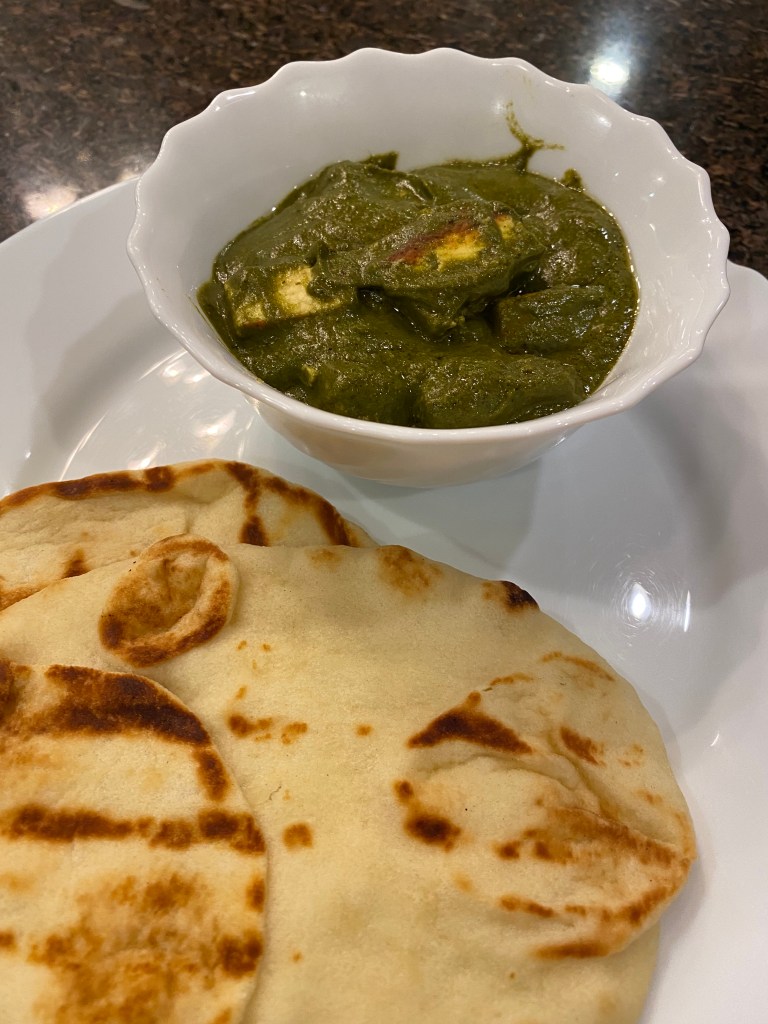
My cooking style, in contrast, is more minimalistic – the quicker I can get out of the kitchen, the better! Not having an ingredient never holds me up – life is short, there’s always a substitute! This resilience, of course, comes from having lived in places where so many Indian ingredients were simply not available! Over the years, much to my own surprise, I have evolved into a decent cook – I guess having a foodie husband and daughter has something to do with that! Still, I really wouldn’t rate cooking very high on the list of things I deeply enjoy – and yes, it’s so not me to be writing a food post! But just for all those Saag-paneer fans out there, here’s an incredibly forgiving recipe that magically results in a delectable, finger-licking good version of this popular restaurant dish.
Saag-Paneer or Palak-Paneer
- Block of Paneer cut into cubes
- Baby Spinach – 10oz
- Large onion – 1, sliced
- Tomatoes – 2, slices
- Green chilies – as per required spice level
- Ginger-garlic paste – 2 spoons
- Cashews – handful
- Cumin seeds – 1tsp
- Fennel seeds – 1tsp
- Cloves – 6 to 8
- Green Cardamom pods – 4
- Cinnamon – 1/2 inch
- Black peppercorns – 6 to 8
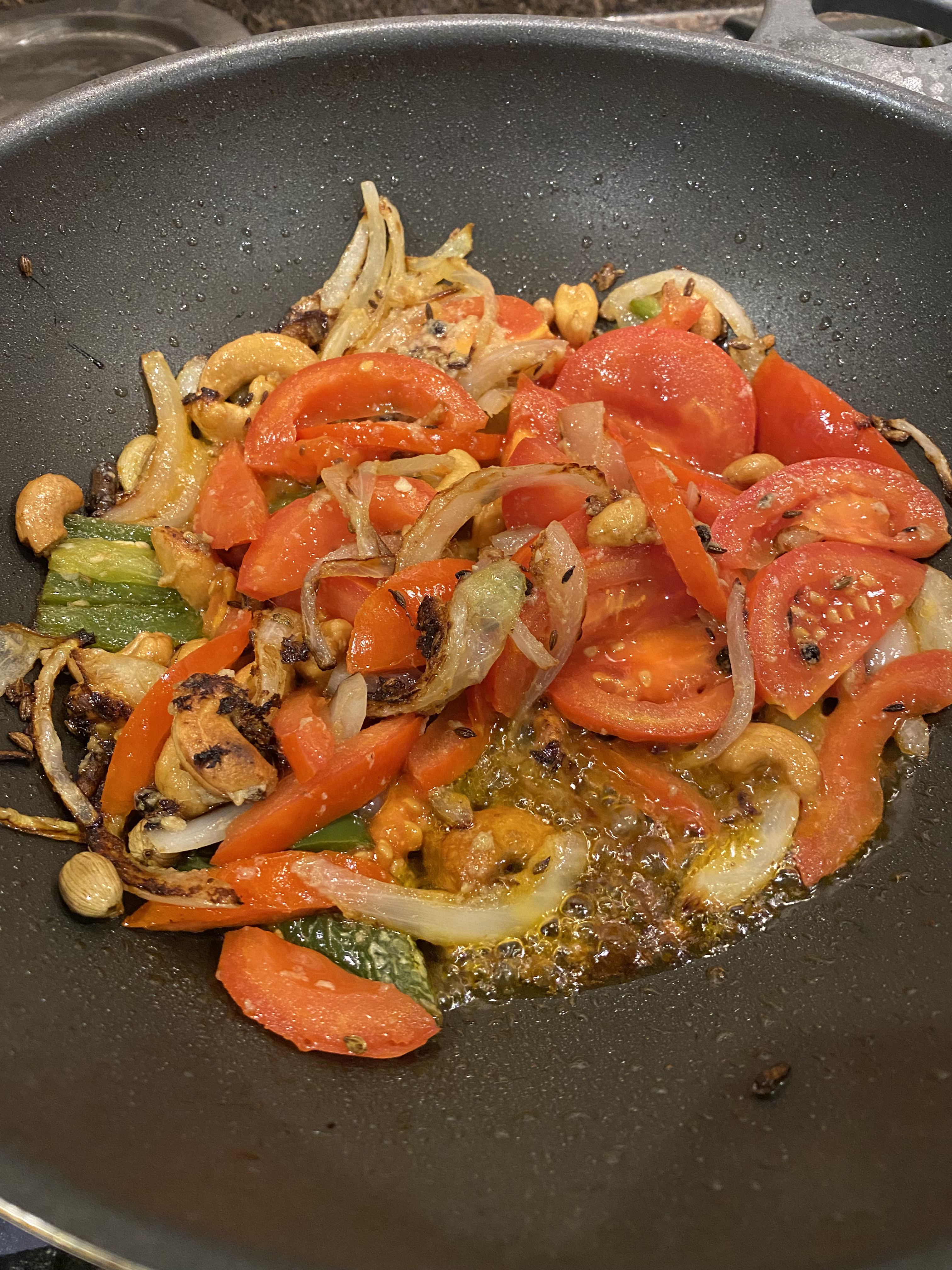
In a large wok, heat a couple of tablespoons of oil. Add cumin seeds, fennel seeds, cloves, cardamom, cinnamon and peppercorns. Once the spices start to sputter, add the onions and green chilies. Sauté a couple of minutes, then add the ginger-garlic paste and cashews.
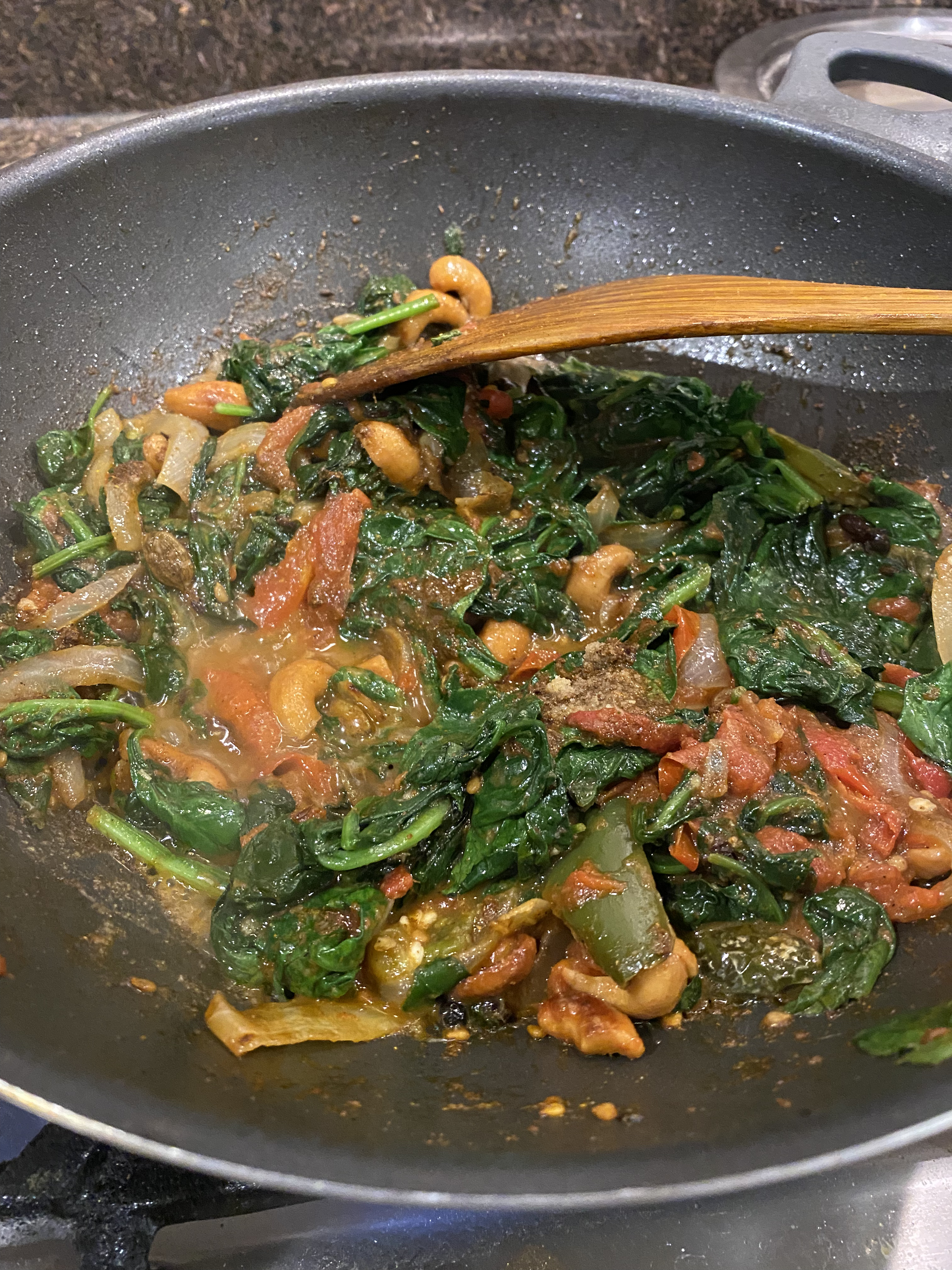
Once onions are golden-brown, add the tomatoes. Start adding the spinach. When the spinach is completely wilted, let it cook for couple more minutes, then set aside to cool. Puree the spinach mixture, adding water as needed.
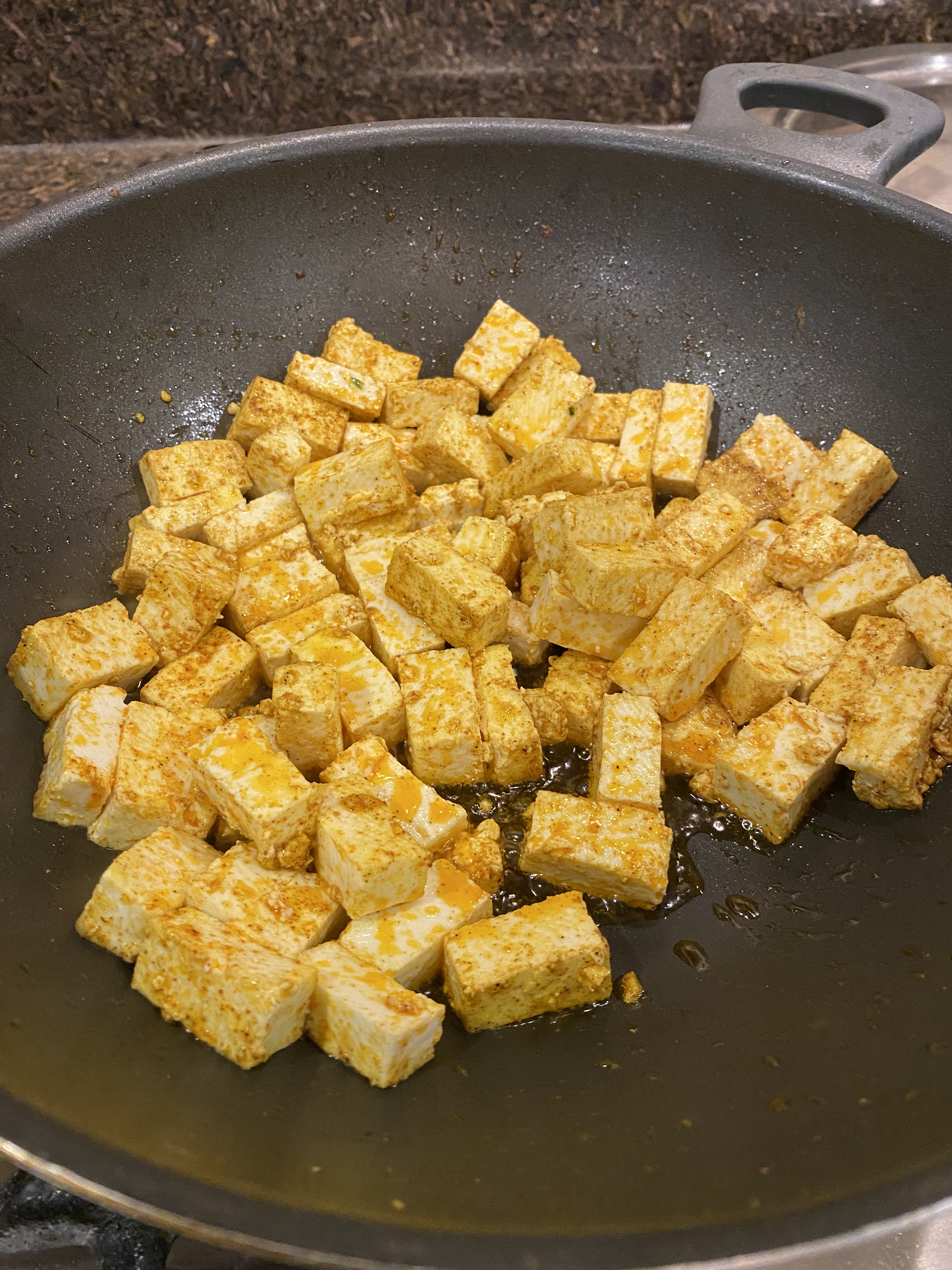
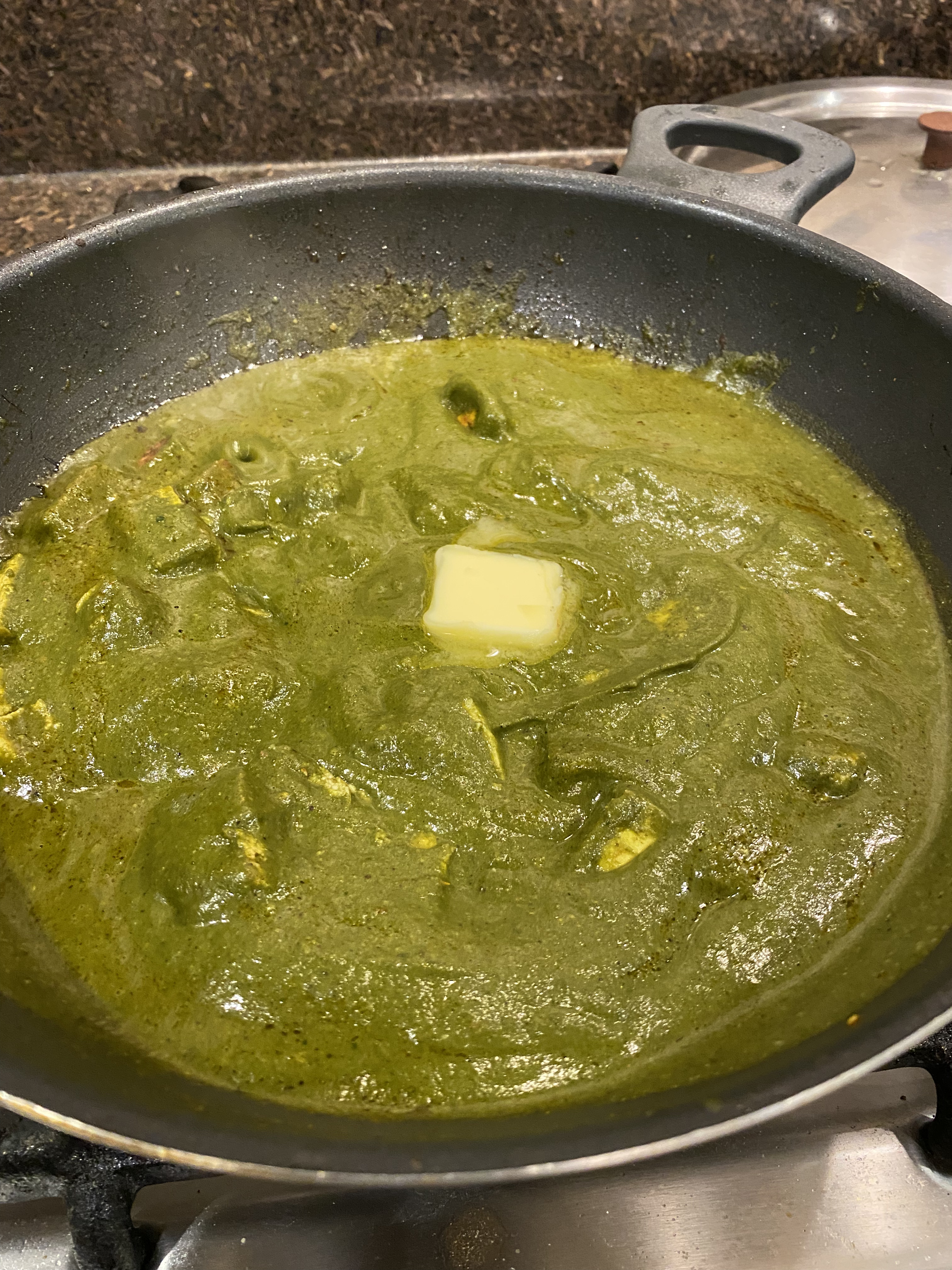
Shallow fry the paneer cubes. Add the pureed spinach mixture. Finish with a spoon of garam masala (optional) and a tbsp of butter to add a layer of restaurant like glossiness. Simmer for 10 minutes on low flame.
Ta-dah! Saag-panner is ready! Serve hot with your favorite Indian bread!
Bon appetit!!
 A place called home...